


Startseite
>
Old West Iron Blog: Craftsmanship, Heritage & Hand-Forged Expertise
>
Forged by the Gods: Blacksmithing in Norse Mythology

Forged by the Gods: Blacksmithing in Norse Mythology
von Maddison Mellem am Aug 12, 2025Before electricity, before machines, before blueprints and building codes—there was the forge. Fire, iron, and willpower. And in the old Norse myths, it wasn’t just men shaping steel, it was gods.
In the ancient world, blacksmithing was sacred. It held power, mystery, and magic. The Norse saw the forge as more than a workshop, it was a portal between worlds. And the ones who worked it weren’t just craftsmen… they were creators of destiny.
At Old West Iron, we honor that tradition every time we strike the hammer. So let’s take a look deep into the myths that helped shape how we view ironwork today.

Dwarves: The Divine Smiths of the Nine Realms
In Norse mythology, the dwarves (also called svartálfar or "black elves") weren’t just miners or treasure hoarders, they were master forgers. Living deep beneath the mountains, they forged weapons, tools, and talismans of immense power.
Among their greatest works:
-
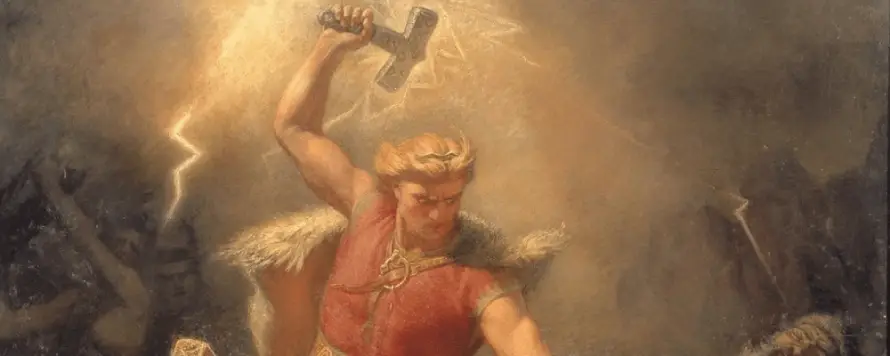
Mjölnir, the hammer of Thor, so heavy only the god of thunder could wield it.
-
Gungnir, Odin’s spear, crafted to fly true and strike with absolute certainty.
-
Draupnir, the golden ring that multiplied itself every nine nights.
-
Skidbladnir, a ship that could fold into a pouch and still sail any sea, no matter the wind.
These weren’t mere ornaments. They were sacred ironworks, forged with skill, magic, and myth.

The Forge as a Sacred Space
To the Norse, the forge was no ordinary place. It was a threshold where fire met earth, where effort met transformation. It mirrored the chaos of creation itself: heat, pressure, noise, and then… something new.
Just like their gods, Norse smiths shaped the world through tools and weapons. They understood that to craft with iron was to wield power, not just physical, but spiritual.
Loki, Mischief, and the Price of the Forge
Even mischief had its part to play. According to one tale, Loki cut off the goddess Sif’s golden hair as a prank. To make amends, he went to the dwarves and begged for something better.
What did he return with?
-
A golden headpiece for Sif
-
Thor’s hammer
-
Odin’s spear and magical ring
-
And more magical tools to gift the gods
But even that came with a cost. Loki challenged rival smiths to match the gifts—and nearly lost his head when they did. In Norse myth, even the gods paid dearly for fine craftsmanship.

Why It Still Matters Today
Blacksmithing, to the Norse, was the art of transformation, turning raw elements into power, protection, or beauty. And that hasn’t changed. Today, when we forge a bolt, hinge, or door knocker by hand, we’re still tapping into that same ancient rhythm.
We’re not saying our brackets can summon thunder, but we are saying that when something is made with real fire, sweat, and intention, it carries more weight than just steel. It carries meaning.
Bringing the Old Ways Home
Looking to bring that mythic weight into your own home? Consider hardware that’s built like the stories. Strong, storied, and impossible to ignore:
-
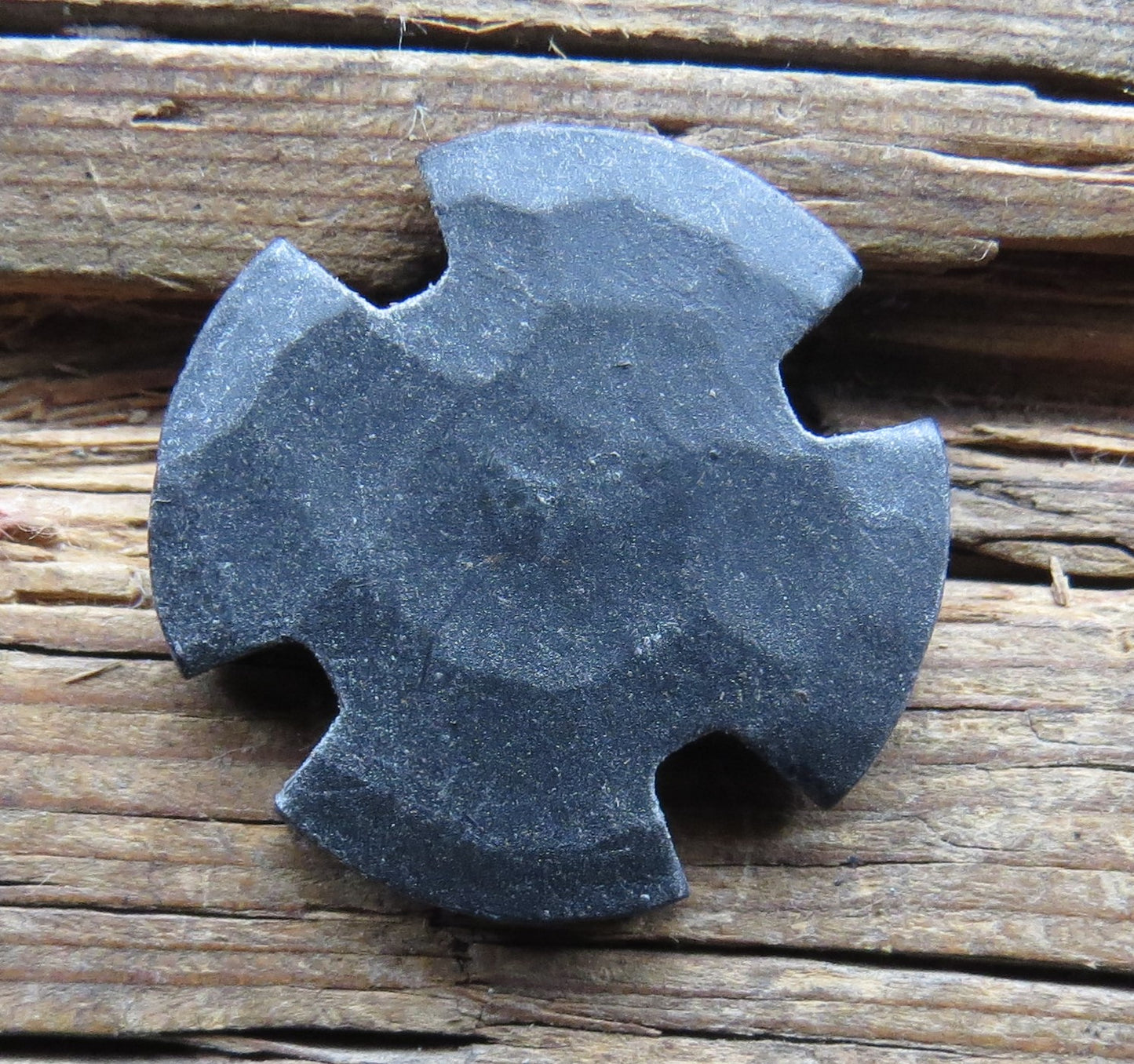
🔗 Decorative Clavos – Like the shield studs of a Viking longhouse
-
🔗 Hand-Forged Door Knockers – Bold as Thor’s hammer
-
🔗 Heavy Iron Brackets – Structural pieces worthy of the mead hall
You don’t need to live in Asgard to have a little myth under your roof. Just choose pieces that are forged with purpose, like they used to be.
Maddison Mellem
Writing from the forge at Old West Iron