


Inicio
>
Expert Guides & Installation Tips
>
Step-by-Step: Adding Wrought Iron Hinges to Your Barn Door

Step-by-Step: Adding Wrought Iron Hinges to Your Barn Door
por Maddison Mellem el Oct 02, 2025Give Your Doors the Strength—and Style—They Deserve
There’s something timeless about a barn door. Whether it’s a functioning exterior door on a working ranch or a sliding interior door in a farmhouse-style home, the right wrought iron hinges don’t just hold it up—they make it whole.
At Old West Iron, we craft hinges that are more than hardware. They're a nod to traditional blacksmithing and a critical finishing touch for doors meant to stand the test of time. If you're ready to elevate your barn door from simple to statement, here’s a clear guide to doing it right.
Shop All Hinges and Hinge Straps »

Step 1: Choose the Right Hinges for Your Door Style
Before you lift a tool, you’ll want to pick the right hinge type for your barn door setup. A few considerations:
-
Strap Hinges: Ideal for classic barn doors—these mount on the face of the door and spread weight along the timber. Choose from straight, spade, or fleur-de-lis styles for different looks.
-
Hinges with Pintles: Best for heavy exterior doors that need to swing outward or inward on a post or frame.
-
Rustic or Decorative Hinges: For interior sliding barn doors or decorative face-mounts, select thinner gauge iron with beautiful patinas or hammered textures.
Don’t forget to match the finish to your other hardware. Browse options like oil-rubbed bronze, matte black, raw iron, or distressed copper to match your home’s tone.

Step 2: Measure and Mark
Using a measuring tape and level, mark where each hinge will go on the face of the door. For most barn doors:
-
Two hinges are standard for doors under 6 ft tall.
-
Add a third hinge for doors over 6.5–7 ft for extra support.
-
Keep the top hinge about 5–7 inches from the top edge, and the bottom hinge about 10–12 inches from the bottom.
Pro Tip: If your door is reclaimed or slightly warped, let the door rest on blocks in its final location before marking hinge placements to ensure alignment.
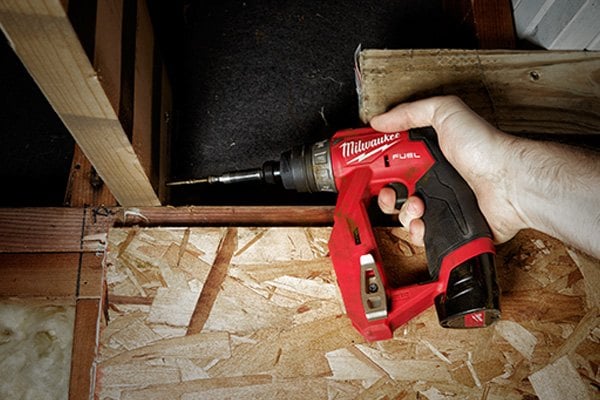
Step 3: Pre-Drill Holes
Once you’ve marked your hinge strap holes:
-
Use a drill bit sized to your chosen fasteners (we recommend our decorative lag bolts or square head screws for authenticity).
-
Pre-drill both the door and frame or wall where the hinges will attach.
-
Make sure your holes are deep enough for full bolt engagement without splitting the wood.

Step 4: Mount the Hinges
Now it’s time to install:
-
Align your hinge straps with your pre-drilled holes.
-
Use a ratchet or impact driver to secure the bolts or screws.
-
For pintle-style hinges, set your pintle into the post or wall first, then drop the hinge eye over the pintle pin.
Check the swing or slide function before fully tightening all fasteners to make sure everything operates smoothly.

Step 5: Add Finishing Touches
Finish the look with matching iron door pulls, clavos, or a custom iron sign to make your door truly stand out.
Looking for a fully unified design? Contact us for custom straps to match your existing hardware or fit unique dimensions.
Shop Barn Door Pulls & Accessories »

Built for Generations
Wrought iron hinges aren't just about looks—they're about legacy. The ones we forge today are designed to outlast the wood they're fastened to. Whether you're restoring a 100-year-old barn or building new with character in mind, hand-forged iron hardware brings strength and soul to your project.
Explore All Hinge Styles and Finishes »
—
See you at the forge,
Maddison Mellem
Writing for Old West Iron