


Inicio
>
Expert Guides & Installation Tips
>
Elevator Bolts vs. Carriage Bolts: What’s the Difference?

Elevator Bolts vs. Carriage Bolts: What’s the Difference?
por Maddison Mellem el Oct 10, 2025A Quick Guide for Builders, Restorers, and Hardware Enthusiasts
When it comes to choosing the right bolt for your project, subtle differences can make a big impact—especially in terms of strength, appearance, and function. Two of the most commonly confused fasteners in the world of decorative and structural hardware are elevator bolts and carriage bolts.
So, what sets them apart? And which one should you use?
Let’s break it down.

What Is a Carriage Bolt?
Carriage bolts, also called coach bolts, are recognizable by their round, domed heads and a square neck just below the head. That square section helps lock the bolt into place when you tighten the nut from the opposite side—especially when driven through wood.
Key Features:
-
Domed, smooth head with no slot or drive
-
Square neck below head grips into wood or metal
-
Commonly used in woodworking, furniture, gates, and fencing
-
Designed to prevent rotation during tightening
Carriage bolts are a go-to fastener when you want a clean, tamper-resistant look on the front side, with the holding power of a nut and washer on the back.
🔗 Browse our full Carriage Bolt Collection

What Is an Elevator Bolt?
Elevator bolts are built with a flat, flush head—perfect for applications where a domed head would get in the way. Traditionally used in grain elevators and conveyor systems (hence the name), these bolts are now popular in industrial, modern, and minimalist design projects.
Key Features:
-
Flat, countersunk or low-profile head
-
Square neck or ribbed shoulder to prevent turning
-
Often used in flooring, conveyor belts, or low-clearance applications
-
Great for projects requiring a flush finish
If you’re mounting hardware into wood or metal where smoothness and clearance are priorities, elevator bolts are a smart choice.
Want to go deeper?
🔗 Check out our full blog on Elevator Bolts: Your Guide to a Unique Hardware Gem


Key Differences at a Glance
| Feature | Carriage Bolt | Elevator Bolt |
|---|---|---|
| Head Shape | Round, domed | Flat, flush or slightly countersunk |
| Best For | Decorative finishes, wood joinery | Flat surfaces, tight clearances |
| Neck Grip | Square (locks into wood) | Square or ribbed shoulder |
| Look | More traditional, rustic | More industrial or modern |
| Surface Mounting | Slightly raised | Sits flush with surface |
So, Which Should You Use?
-
Choose carriage bolts if you’re building furniture, gates, doors, or anything rustic or vintage where the hardware itself adds to the aesthetic.
-
Opt for elevator bolts when working on projects that require a smooth finish, like custom flooring, bench seating, or metal panels.
Still not sure which one you need? Our team is happy to help you find the right fastener for your job. Reach out with a photo or design sketch, and we’ll walk you through the options.
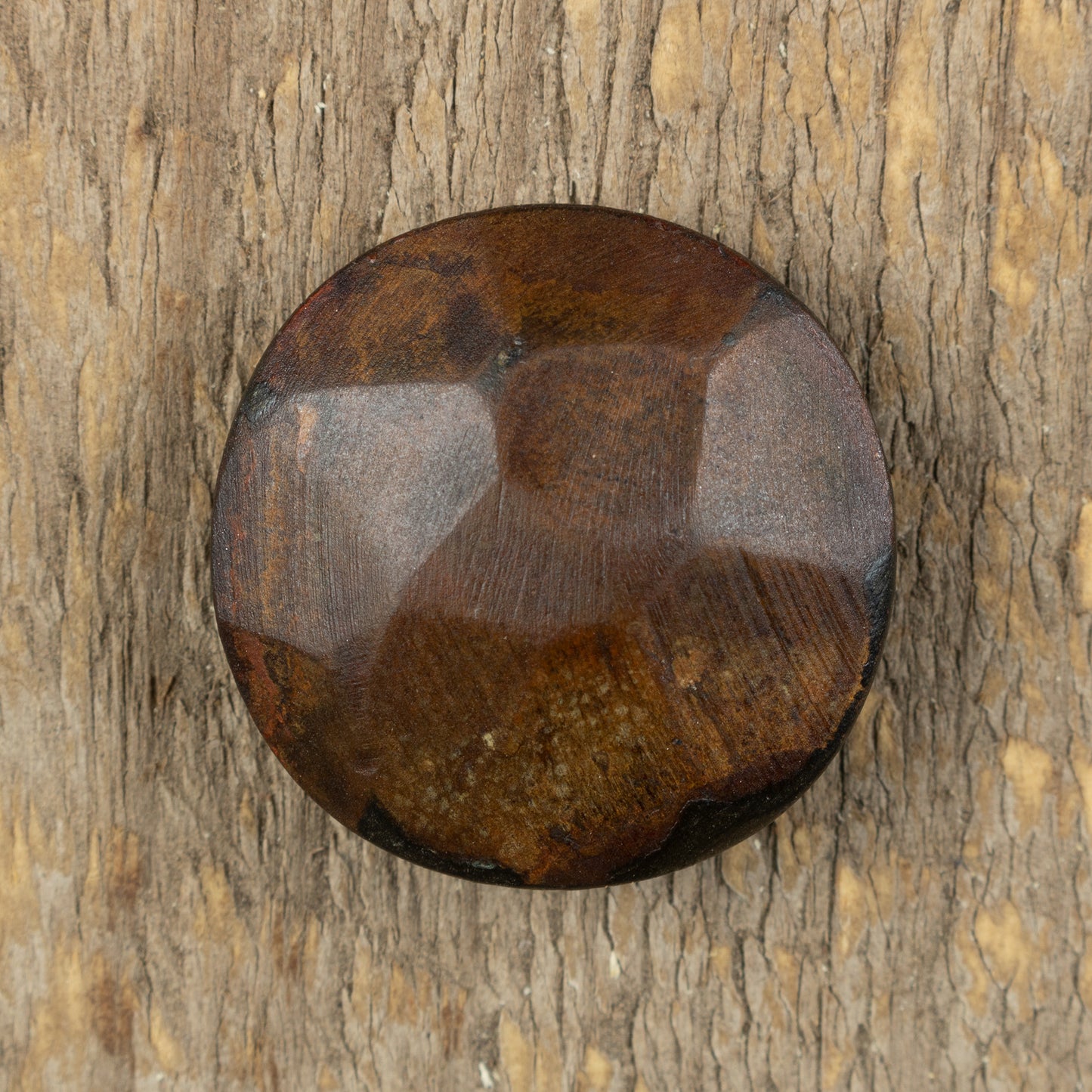
Strong builds start with smart hardware. Whether you’re restoring an old barn door or customizing your cabin’s kitchen island, the right bolt matters.
Explore both options here:
🔗 Carriage Bolts Collection
🔗 Elevator Bolts Blog + Buying Guide
—
Forged in quality,
Maddison Mellem
Writing from the forge at Old West Iron