


Home
>
Expert Guides & Installation Tips
>
Is a Joist Hanger Stronger Than Nailing? Joist Hangers vs. End Nailing

Is a Joist Hanger Stronger Than Nailing? Joist Hangers vs. End Nailing
di Maddison Mellem il Aug 26, 2025When you're building a structure meant to last—whether it’s a back porch, timber-framed pavilion, or a homestead barn—how you attach your joists matters. There’s a time and place for traditional nailing, but in many applications, joist hangers are the stronger, safer, and more long-lasting choice.
So let’s break it down: Is a joist hanger really stronger than nailing? And when should you use one over the other?
Browse Hand-Forged Joist Hangers »
![End Nailing Vs Joist Hangers [Differences, Types & Uses]](https://homesthetics.net/wp-content/uploads/2022/02/Joist-Hangers.jpg)
What Is End Nailing?
End nailing is the old-school method of driving nails through the end of a joist into the face of a ledger board or beam. It's fast, simple, and often used in rough framing when time and budget are tight.
But there’s a downside: nails driven into end grain don’t hold as well over time, especially under downward load. As wood shrinks and shifts with seasonal changes, those nails can start to loosen, which compromises the structural integrity of your framing.
What Is a Joist Hanger?
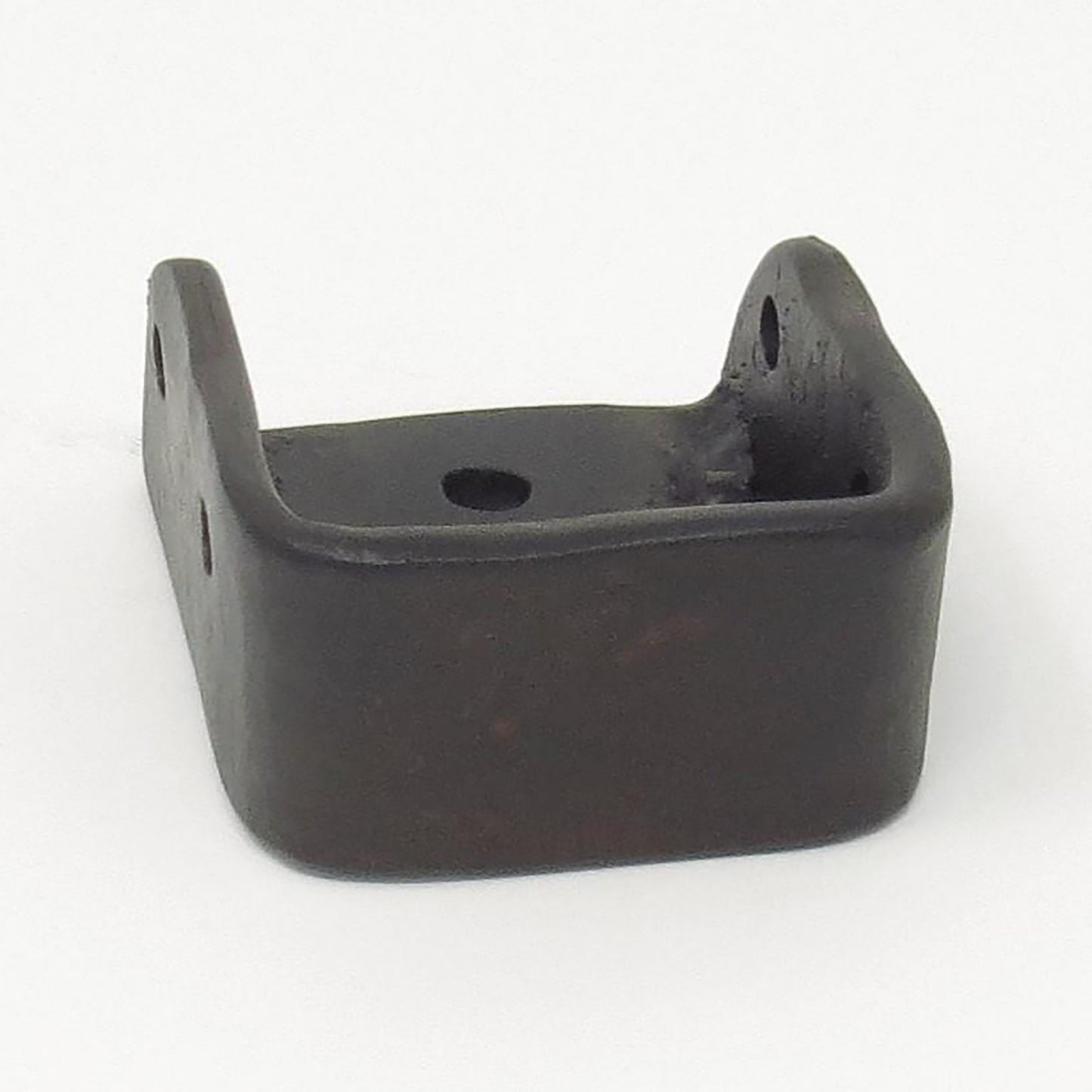
A joist hanger is a steel bracket that wraps around the end of a joist and secures it to a beam or ledger with multiple nails, bolts, or screws. Unlike end nailing, which relies on friction in the grain, joist hangers distribute weight evenly and anchor the joist from multiple directions.
At Old West Iron, our joist hangers are crafted for more than just function—they’re built by hand, made to last, and designed to match both structural and decorative needs in traditional and modern builds alike.
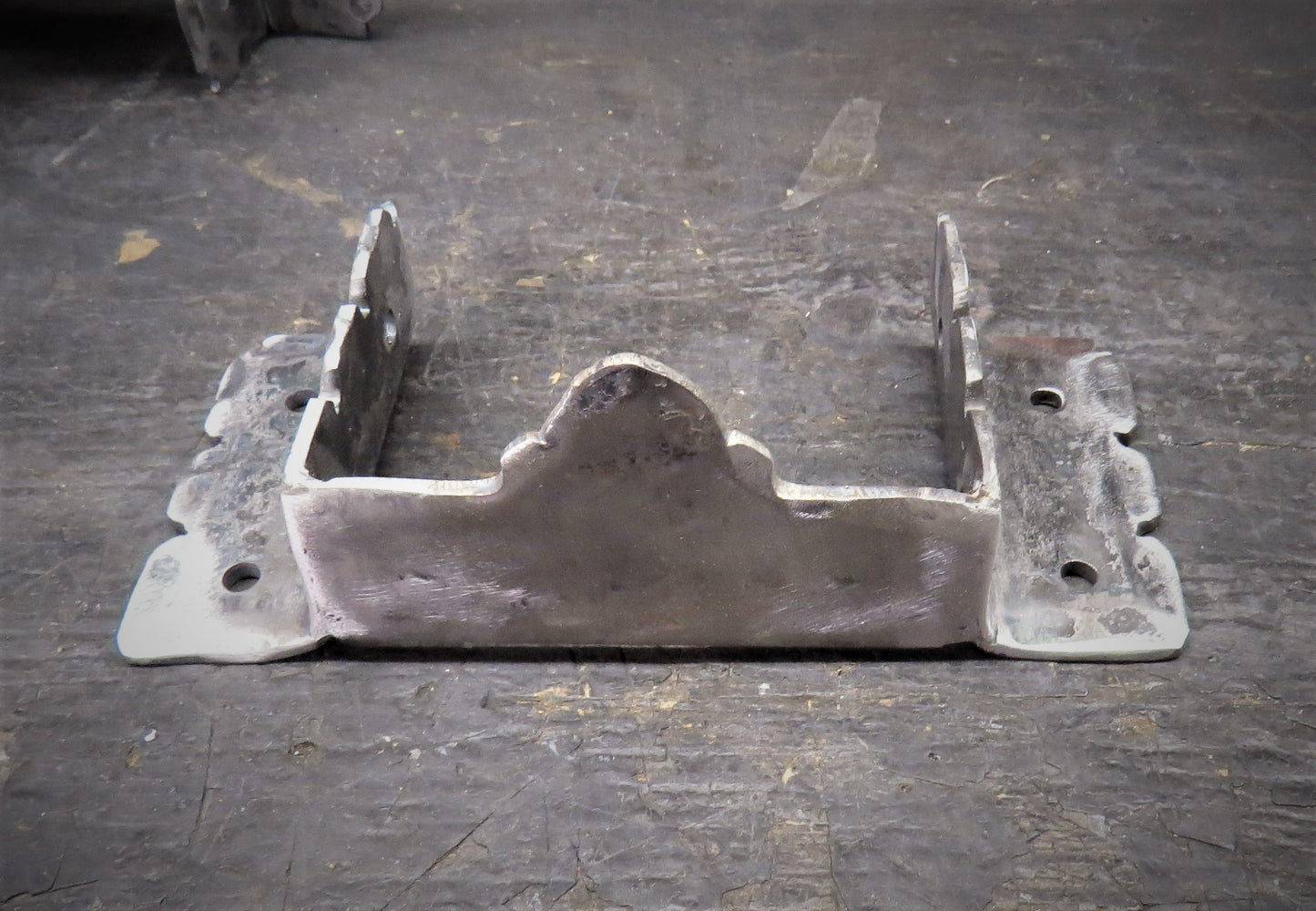
Joist Hangers vs. End Nailing: Strength Comparison
| Feature | Joist Hangers | End Nailing |
|---|---|---|
| Load Support | High (vertical & lateral) | Limited (vertical only) |
| Resistance to Movement | Excellent | Poor (can loosen) |
| Longevity | Built to last | May degrade over time |
| Code Compliance | Meets most structural codes | Rarely code-approved |
| Aesthetic (with decorative options) | High visual appeal (Old West Iron) | None |
Verdict: Joist hangers are significantly stronger and more reliable than simple end nailing—especially in exposed or load-bearing structures.
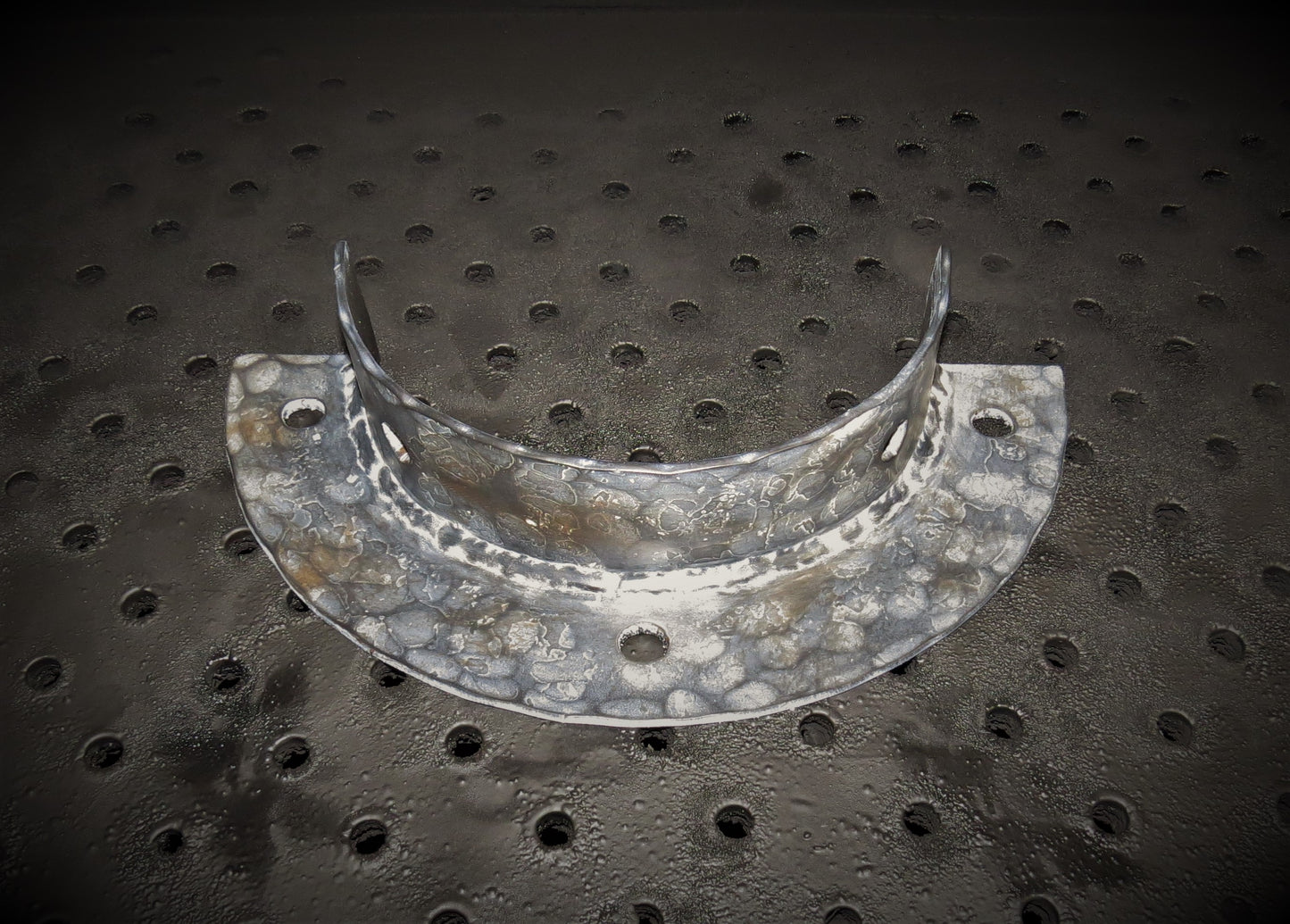
When Should You Use Joist Hangers?
-
Exposed beam ceilings
-
Decks, porches, and patios
-
Pergolas and pavilions
-
Timber-framed structures
-
Any build requiring code-compliant framing
They’re particularly critical in outdoor environments where moisture, movement, and gravity work together to loosen fasteners over time.
Shop Decorative and Structural Joist Hangers »
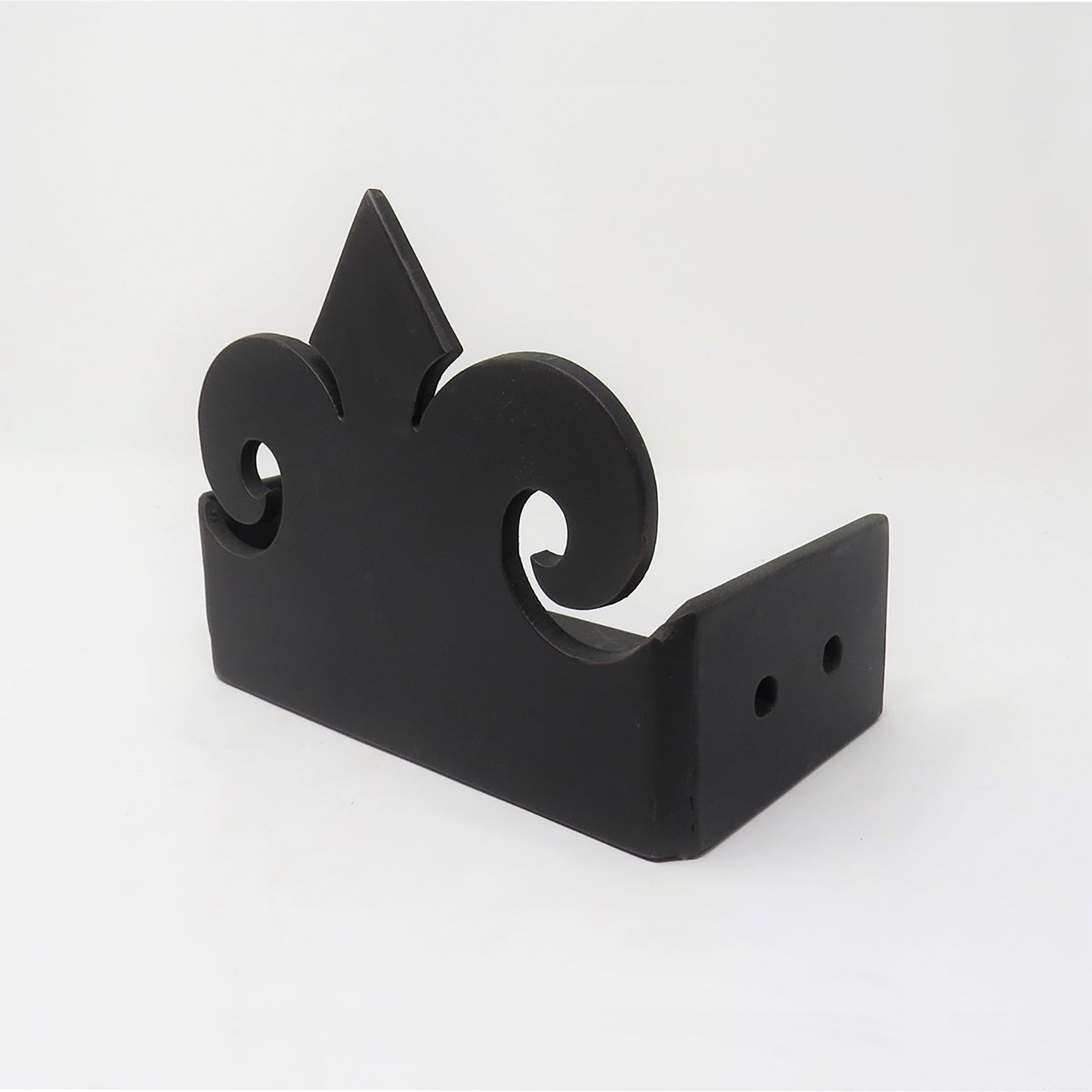
What Makes Old West Iron Joist Hangers Different?
While most big-box hangers are stamped from thin galvanized steel, ours are:
-
Hand-forged from solid steel
-
Offered in custom sizes and finishes
-
Built for both structural integrity and visual appeal
-
Made in the USA with traditional blacksmithing techniques
From rugged farmhouse ceilings to fine timber joinery, our joist hangers serve both form and function.

Conclusion: Build It Right the First Time
If you’re putting time, money, and heart into a project, don’t leave the strength of your structure to a couple of nails in end grain. Joist hangers are the modern standard for a reason—and when done right, they can elevate the strength and the story of your build.
Want hardware that’s just as strong as your vision?
Start with our collection of handcrafted joist hangers »
Maddison Mellem
Writing from the forge at Old West Iron